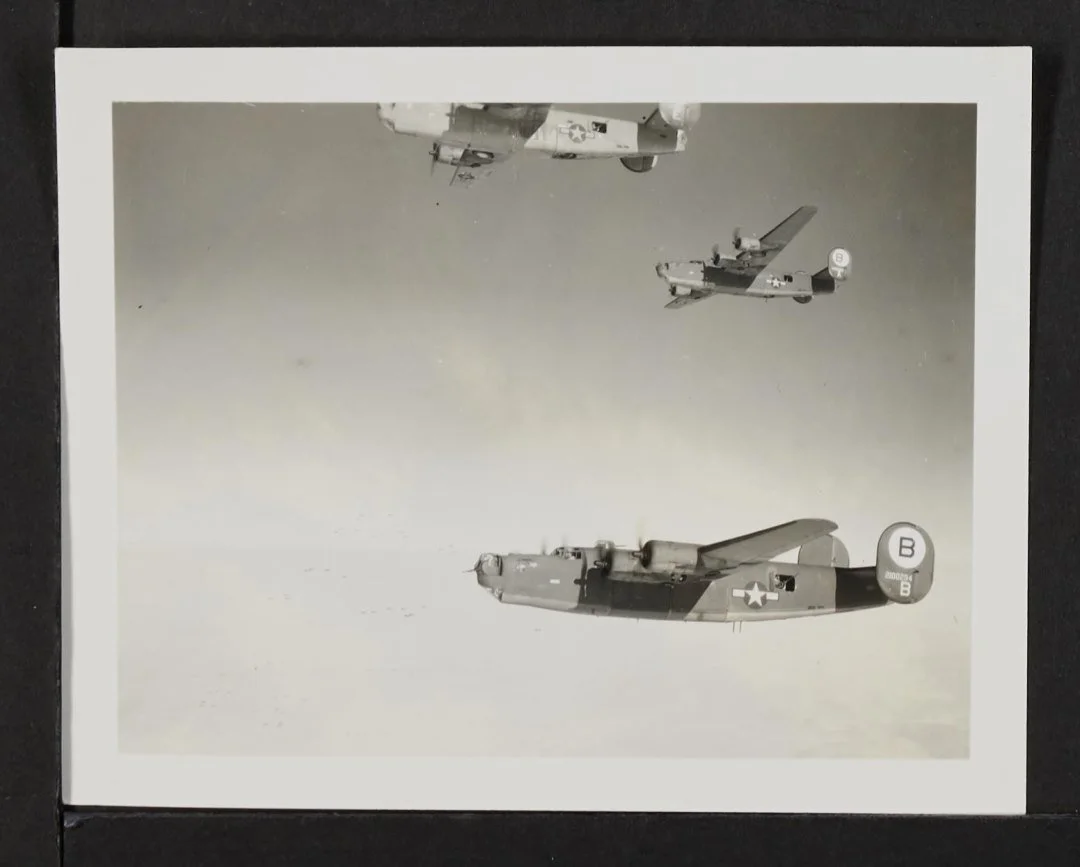
Omaha Air Bombardment - Part I: Planning a Tactical Mission for Strategic Bombers
In the early hours of 6 June 1944, the Eighth Air Force launched an air armada of 450 B-24 heavy bombers to pummel the enemy beach defenses at Omaha with 1270 tons of bombs. The defenses would be pulverized; the landings would be a walkover. Or at least that was what many people expected. Yet a variety of hard realities would prevent even a fraction of that tonnage hitting the targets, even had the weather been clear.
In this installment, we examine several factors which limited the tactical effectiveness in employing strategic bombers in support of the amphibious landings at the Omaha Assault Area.
This analysis serves as a prelude to a following installment which attempts to clarify the mystifying circumstances of the last minute decision to delay the bomb releases, resulting in no bombs landing on target.
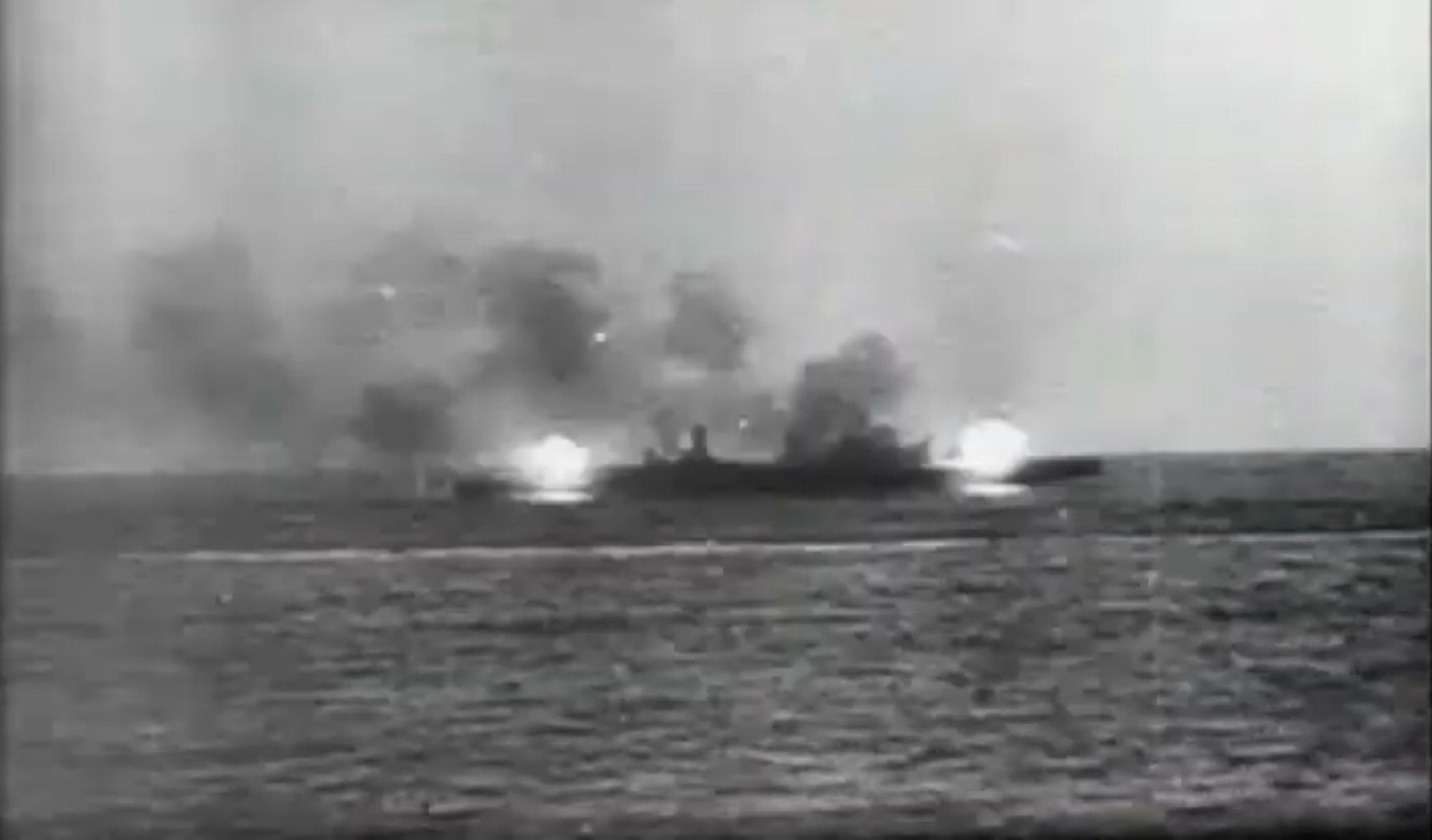
Omaha Naval Bombardment. Part III: The Execution
In the wake of the fierce resistance encountered during the landings in the Omaha Assault Area, Real Admiral Hall blamed much of the difficulties and bloodshed on a lack of bombardment ships and a much too brief time to conduct the bombardment—not to mention the failure of the air bombardment. But Hall failed to mention other key failures with more direct impacts.
This installment establishes that Hall’s pre-H-Hour bombardment was only partially executed, with his bombardment ships firing just half of the ammunition they should have. His smaller gunfire support craft had similarly poor expenditure rates. The bombardment was further hampered by poor synchronization with the landing of the leading waves, poor deconfliction of ship positions and gun-target lines, and poor positioning of ships relative to the configuration of their targets.
As executed, the bombardment fell far short of its potential effect on the defenders, and contributed to the casualties among the assault troops. While the destroyers were rightly celebrated for coming to the aid of the troops pinned down on the beach later that day, the unfortunate fact is they they were also partly responsible for that deadly situation by failing to aggressively prosecute their pre-H-Hour bombardment tasks.
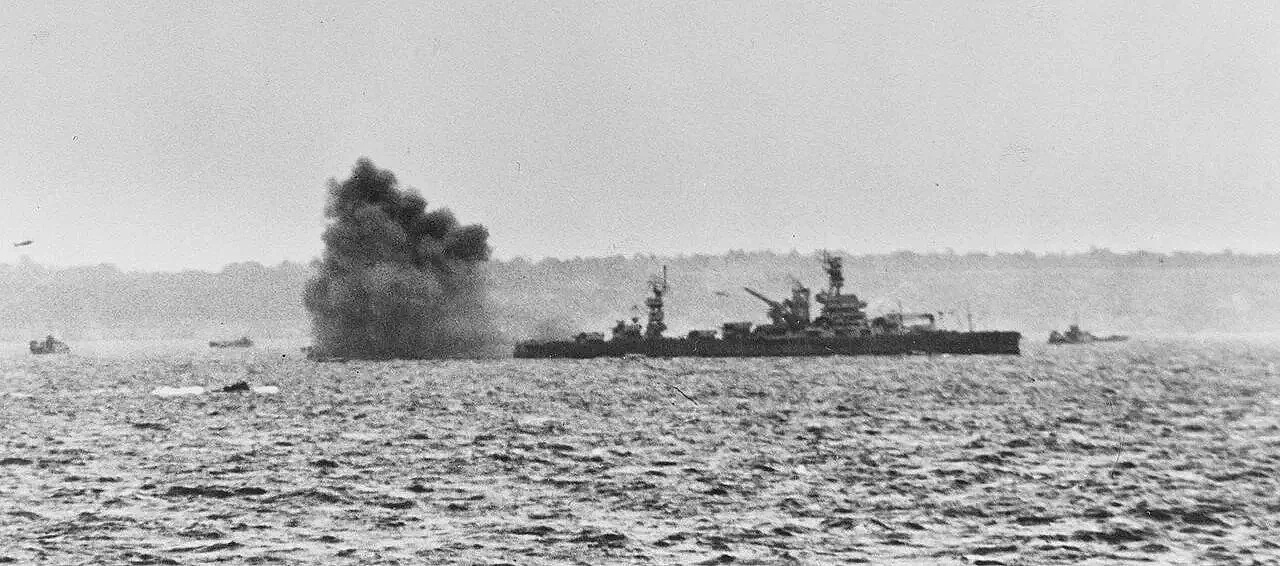
Omaha Naval Bombardment. Part I: Setting the Stage
Perhaps the single greatest failure at Omaha Beach was the bombardment plan. Despite the efforts of 16 bombardment ships and dozens of supplemental bombardment craft, German defenses emerged sufficiently undamaged to virtually stop the invasion at the shoreline for the first hours. Many reasons have been advanced for this failure, to included a shortage of bombardment ships, too short of a bombardment window and the failure of the heavy bombers to hit the beach defenses.
This three-part series examines the facts behind the bombardment controversy and attempts to separate the valid criticisms from the popular misconceptions. This installment, Part I, explores the operational environment and how it shaped the basic concept of the landings, as well as how that constrained bombardment operations. Part II will examine in detail the bombardment plan developed for Omaha Beach, and Part III will analyze how effectively that plan was executed.
Join me to see what really lies behind the popular versions of the Omaha bombardment failure.