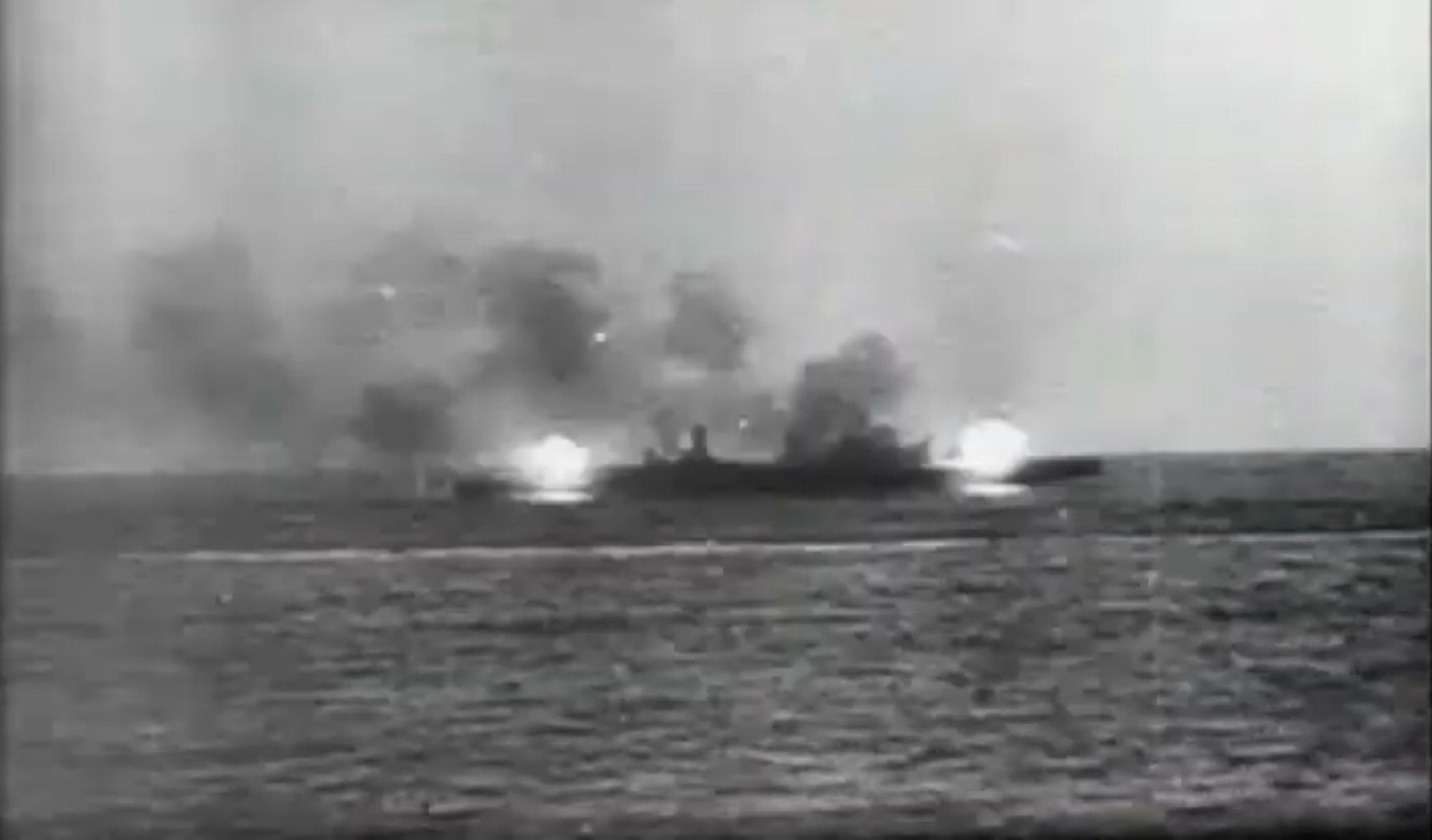
Omaha Naval Bombardment. Part III: The Execution
In the wake of the fierce resistance encountered during the landings in the Omaha Assault Area, Real Admiral Hall blamed much of the difficulties and bloodshed on a lack of bombardment ships and a much too brief time to conduct the bombardment—not to mention the failure of the air bombardment. But Hall failed to mention other key failures with more direct impacts.
This installment establishes that Hall’s pre-H-Hour bombardment was only partially executed, with his bombardment ships firing just half of the ammunition they should have. His smaller gunfire support craft had similarly poor expenditure rates. The bombardment was further hampered by poor synchronization with the landing of the leading waves, poor deconfliction of ship positions and gun-target lines, and poor positioning of ships relative to the configuration of their targets.
As executed, the bombardment fell far short of its potential effect on the defenders, and contributed to the casualties among the assault troops. While the destroyers were rightly celebrated for coming to the aid of the troops pinned down on the beach later that day, the unfortunate fact is they they were also partly responsible for that deadly situation by failing to aggressively prosecute their pre-H-Hour bombardment tasks.

The Duplex Drive Tanks of Omaha Beach, Part (f) Conclusions and Final Thoughts
This is the concluding installment in my six part dep dive into the facts surrounding the employment of Duplex Drive tanks at Omaha Beach. In this analysis I recap the roles played by the prominent figures in the saga and the degree to which they contributed to the outcomes on D-Day. Also is included a brief review of how the commanders at Utah, Sword, Gold and Juno Assault Areas planned for employment of their DD tanks, and how the results at those beaches compared to Omaha.